Independence Day celebrates the country's freedom from Portuguese colonial rule in 1975. The day is marked by parades, music, traditional dances, and cultural performances in the capital, São Tomé. Travelers can experience the national pride and lively atmosphere of this important celebration.
Planning a trip to Sao Tome and Principe?
Share your travel plans and get free itineraries and quotes from multiple trusted local operators.
10k+ travelers have submitted inquiries
Sao Tome and Principe - Travel Guide
4.1Must-see attractions, popular activities, and featured local operators
São Tomé and Príncipe, an enchanting archipelago off the west coast of Central Africa, offers travelers a unique blend of lush landscapes, rich biodiversity, and vibrant culture. Known for its stunning beaches and volcanic mountains, visitors can explore the UNESCO-listed Obo National Park, hike to the majestic Pico Cao Grande, or relax on the pristine shores of Praia Jalé. The islands are steeped in history, with colonial architecture found in the capital, São Tomé, and charming fishing villages showcasing local traditions. Travelers can indulge in delicious Creole cuisine, featuring fresh seafood and tropical fruits, while experiencing the lively music and dance that reflect the islands' African and Portuguese heritage.
Attractions
31 main attractions
View on mapLanguage
São Tomé and Príncipe, a small island nation off the west coast of Africa, primarily speaks Portuguese, which is the official language due to its colonial history. Additionally, a variety of creole languages, known as "Forro", are widely spoken among the local population, reflecting the islands' rich cultural heritage. While Portuguese remains dominant, English is increasingly being recognized, especially among the younger generation and in tourism sectors, although it is not as widely spoken as in many other countries.
Best Time to Visit
The best time to visit São Tomé and Príncipe is during the dry season, which runs from June to September. This period boasts pleasant temperatures and minimal rainfall, making it ideal for exploring the islands' lush landscapes, pristine beaches, and vibrant wildlife. Additionally, the dry season aligns with the peak tourist season, offering a lively atmosphere with various local events and activities.
Festivals
Celebrated in honor of St. John the Baptist, this festival involves vibrant processions, local music, and dancing. It's a mix of Christian and traditional African practices, and visitors can experience colorful parades, street parties, and local food in São Tomé and across the islands.
This festival celebrates São Tomé and Príncipe's rich cultural heritage. It features art exhibitions, music performances, and traditional dances showcasing the country's diverse ethnic groups. Travelers can immerse themselves in the local arts scene and discover the island's unique cultural identity.
This religious festival is celebrated with mass, traditional dances, and music, particularly in the city of São Tomé. It's an important day for the local Catholic community, and visitors can experience the spiritual and cultural vibrancy of the celebrations.
The São Tomé Carnival is a lively event featuring colorful parades, costumes, music, and dance. Held in the lead-up to Lent, this carnival allows travelers to enjoy the festive atmosphere, local traditions, and island-wide celebrations, with vibrant street parties and performances.
Cuisine

Calulu
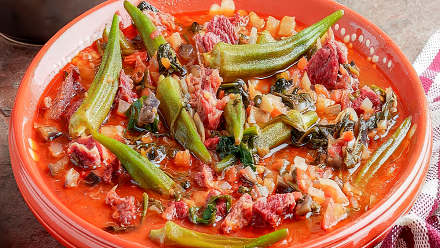
A popular dish in São Tomé and Príncipe, Calulu combines fresh fish with vegetables like okra, tomatoes, onions, and spinach, all simmered in palm oil for a rich, flavorful stew often served with rice or cassava.

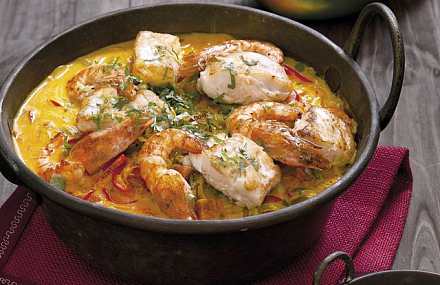
Moqueca
Moqueca is a traditional fish stew made with local fish, coconut milk, garlic, onions, and peppers, slowly cooked to create a creamy, aromatic dish typically served with rice or plantains.

Piri-Piri
Piri-Piri is a hot, flavorful sauce made from local chili peppers, garlic, onions, and spices, often used to marinate meats or served as a condiment to add a spicy kick to various dishes.

Bolo de Caco
Made from grated cassava, sugar, and coconut, Bolo de Caco is a delicious, sweet cake that is typically baked on a griddle and enjoyed as a snack or dessert.

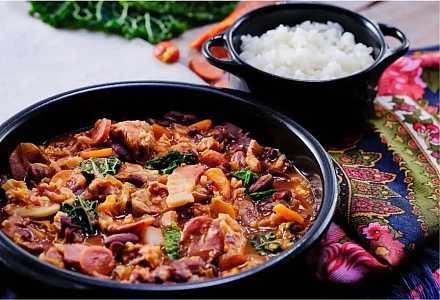
Feijoada
Feijoada in São Tomé and Príncipe is a rich stew made from beans, pork, and spices, simmered for hours to develop a deep, hearty flavor, usually served with rice.

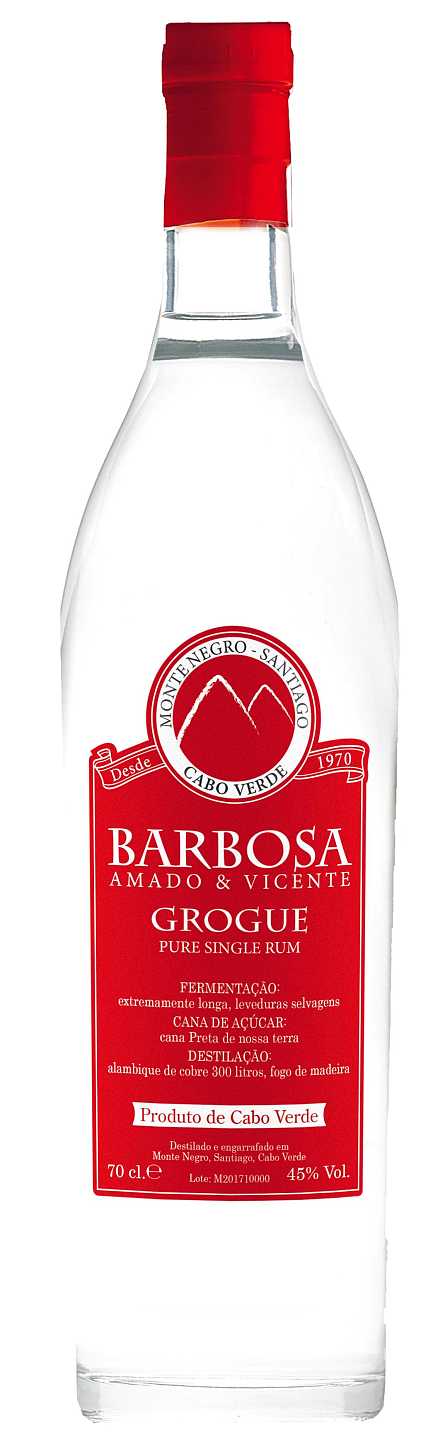
Grogue
Grogue is a traditional alcoholic beverage made by distilling sugarcane, offering a strong, fiery taste, and is commonly consumed in both São Tomé and Príncipe as a local spirit.

Coffee
São Tomé and Príncipe is known for its high-quality Arabica coffee, grown in the fertile volcanic soil, often served black or with sugar and sometimes accompanied by condensed milk, reflecting the country's coffee-growing heritage.

Tchiloli
Tchiloli is a sweet, refreshing drink made from coconut milk, sugar, and a bit of lime, often enjoyed cold as a refreshing beverage in the hot tropical climate.
Packing
When packing for a trip to São Tomé and Príncipe, prioritize lightweight, breathable clothing suitable for warm, humid weather. Opt for loose-fitting cotton or linen garments to stay comfortable during the day. Don't forget a wide-brimmed hat and sunglasses for sun protection. Sturdy sandals or walking shoes are essential for exploring both urban areas and nature. Include a light rain jacket, especially if traveling during the rainy season. Insect repellent is crucial to ward off mosquitoes, and a basic first-aid kit can be handy. Lastly, remember to pack sunscreen and a reusable water bottle to stay hydrated while enjoying the stunning landscapes and vibrant culture.
Currency
São Tomé and Príncipe uses the São Tomé and Príncipe dobra (STN) as its official currency. The currency is available in both coins and banknotes, with denominations of 1, 5, 10, 20, 50, 100, 200, 500, 1,000, and 5,000 dobra notes, as well as coins of 1, 5, 10, 20, 50, and 100 dobra. ATMs are available in major towns and cities, but they may not always accept international cards, so it's advisable to carry some cash. Credit cards are accepted at larger hotels, restaurants, and shops, but it's wise to have cash on hand for smaller establishments and markets. Travelers should consider exchanging currency at banks or authorized exchange offices for the best rates.
Transport
São Tomé and Príncipe, a beautiful archipelago off the western coast of Central Africa, is served by two major international airports: São Tomé International Airport (TMS) on São Tomé Island and Príncipe Airport (PCP) on Príncipe Island. For in-country travel, options include taxis, which are widely available but typically do not use meters, so it's advisable to negotiate fares beforehand. Shared minibuses, known locally as "toca-toca," are a popular and economical way to traverse the islands, offering a chance to mingle with locals. Renting a car is another option, though be prepared for varying road conditions.
Emergency
When visiting São Tomé and Príncipe, travelers should be mindful of cultural taboos such as avoiding public displays of affection and refraining from discussing politics or religion in casual settings, as these topics can be sensitive. Additionally, it's important to respect local customs and dress modestly, particularly in rural areas. In case of emergencies, the local police can be reached at 222, while medical assistance can be contacted at 223.
Power Sockets
São Tomé and Príncipe operates on a voltage of 220V with a frequency of 50Hz. The power sockets used are typically of types C and F, which are the same as those found in many European countries.


Tours
View all toursNo featured routes yet
Route recommendations for this destination are coming soon.